

Prime Therapeutics’ leading research shows only 1 in 12 remain on a GLP-1 drug for obesity at three years
3 Article
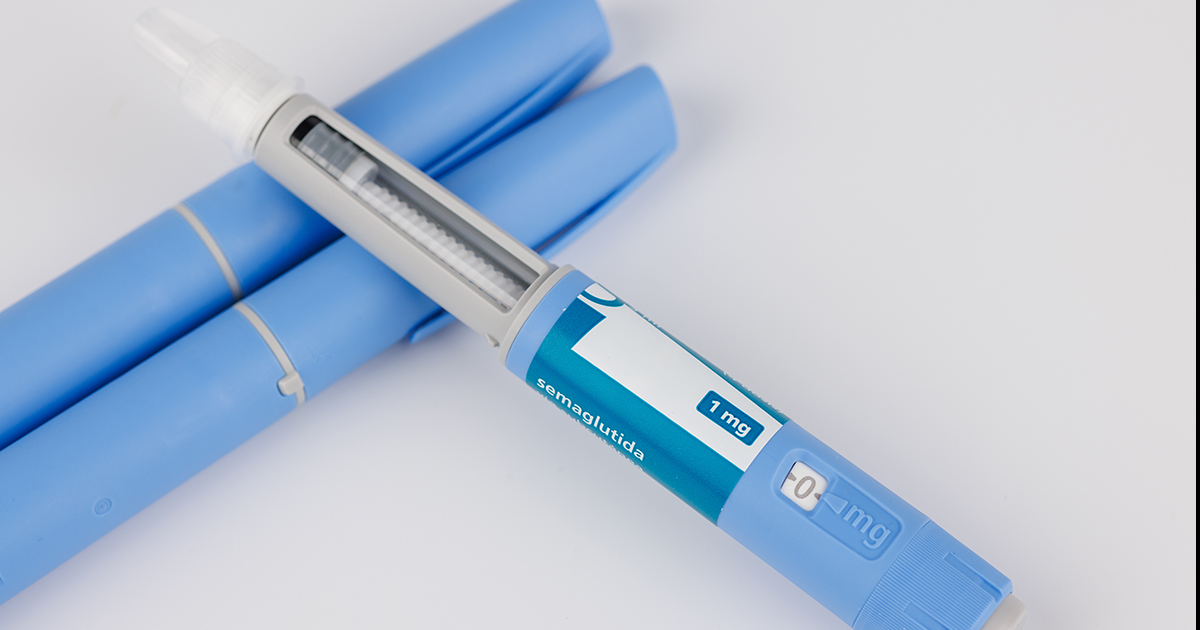
Only 8% of individuals (or 1 in 12) initiating a glucagon-like peptide-1 (GLP-1) agonist drug for obesity without diabetes continued to do so at three years, according to the latest real-world research from pharmacy solutions partner Prime Therapeutics LLC (Prime). Meanwhile, individuals who took a high-potency GLP-1 drug approved for obesity — such as semaglutide (Wegovy®), which is now more commonly used to treat the condition — had greater persistence at 14% three years after initiating therapy.
While overall persistence continues to decrease among those taking high-potency GLP-1 products after three years, persistence among those taking the drugs over a one-year period improved throughout the span of the study. For those initiating GLP-1 therapy in 2021, 33% were persistent, while in the first quarter of 2024, 63% of new initiators were persistent. This increase is believed to be largely attributed to resolving GLP-1 drug shortages in 2024.
“As we thoroughly collate and evaluate three years of studying GLP-1 obesity drug trends among real-world populations, new patterns are emerging that help us understand how these drugs are being used and how external factors may be impacting persistence and health outcomes,” said Pat Gleason, PharmD, assistant vice president, health outcomes, at Prime. “Consistent and significant real-world research is critical as GLP-1 drugs are a considerable driver of cost and utilization for our clients and employer groups.”
This data contributes to Prime’s holistic management approach to GLP-1 therapy, which was first showcased with its award-winning Year-1 persistence and cost-of-care data in 2023, Year-2 persistence data in July 2024 and Year-2 cost-of-care data in October 2024.
In addition to persistence and adherence insights, the Year-3 study found 38% of individuals switched GLP-1 products during the three years of study. The mean age of individuals within the same cohort is 47 years old and nearly 80% identified as female.
“GLP-1 medications have become a popular option for obesity and can support meaningful weight loss. However, most individuals don’t remain on therapy long-term,” said Tiffany Liesmann, Associate Vice President, Chief Pharmacist. “While persistence is gradually improving, we are seeing that only a small fraction continue treatment for three years.”